The Camera Gear We Actually Use on Wedding Days
Mr. Manpreet Singh · 22 March 2026 · 7 min read
Redundancy is everything. Every shooter carries two bodies and triple-backs-up cards on-site, because a wedding day never gets a reshoot.
Our primary bodies are Sony A7S III and A1 cameras — the A1's resolution gives us room to crop into a moment we couldn't get physically closer to, while the A7S III's low-light performance carries us through dim mandaps and after-dark receptions without flash.
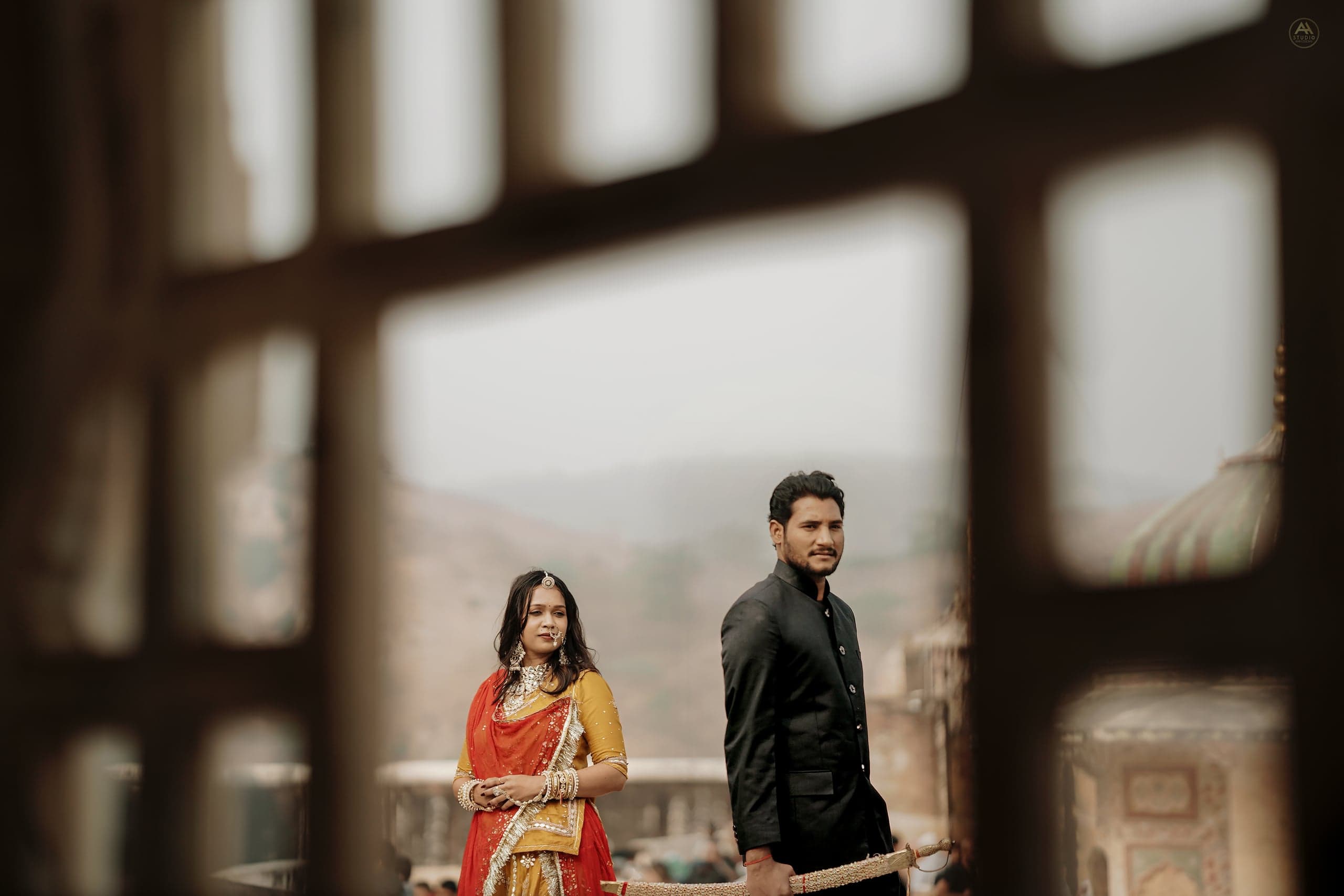
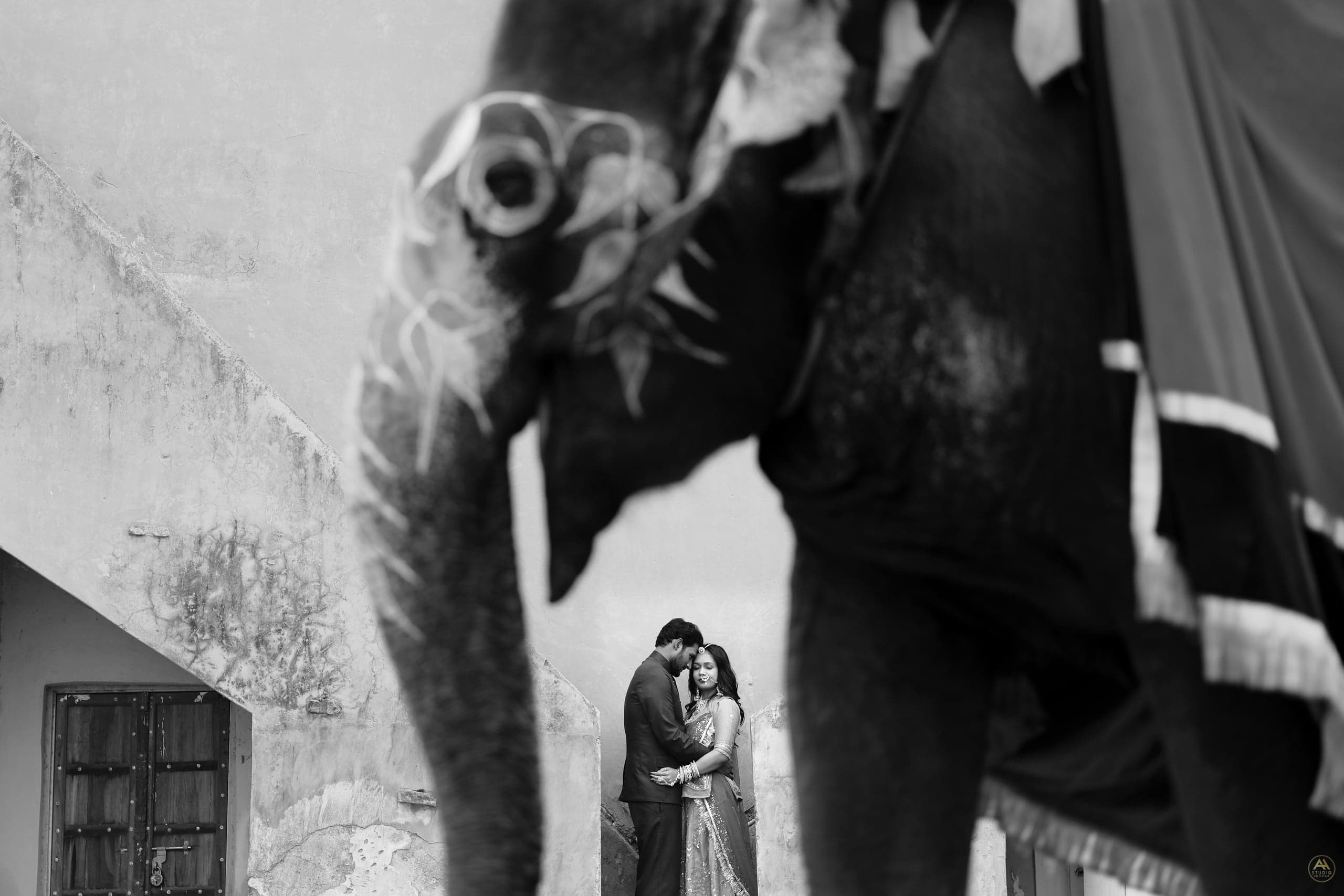
Lenses are where the "cinematic" look actually comes from. We shoot our cinema-grade prime kit — fast, sharp glass in the 35mm–85mm range — for the shallow depth of field and clean bokeh that define our portrait work.
For aerials, we fly DJI Inspire 3 and Mavic 3 Pro drones. The Inspire handles our controlled, pre-planned reveal shots; the Mavic 3 Pro is small enough to launch quickly for spontaneous aerial coverage during the baraat or a beach ceremony.
Every handheld film sequence runs through a Ronin gimbal. It's the difference between footage that feels like a documentary and footage that feels like a home video — smooth, deliberate movement instead of handheld shake.
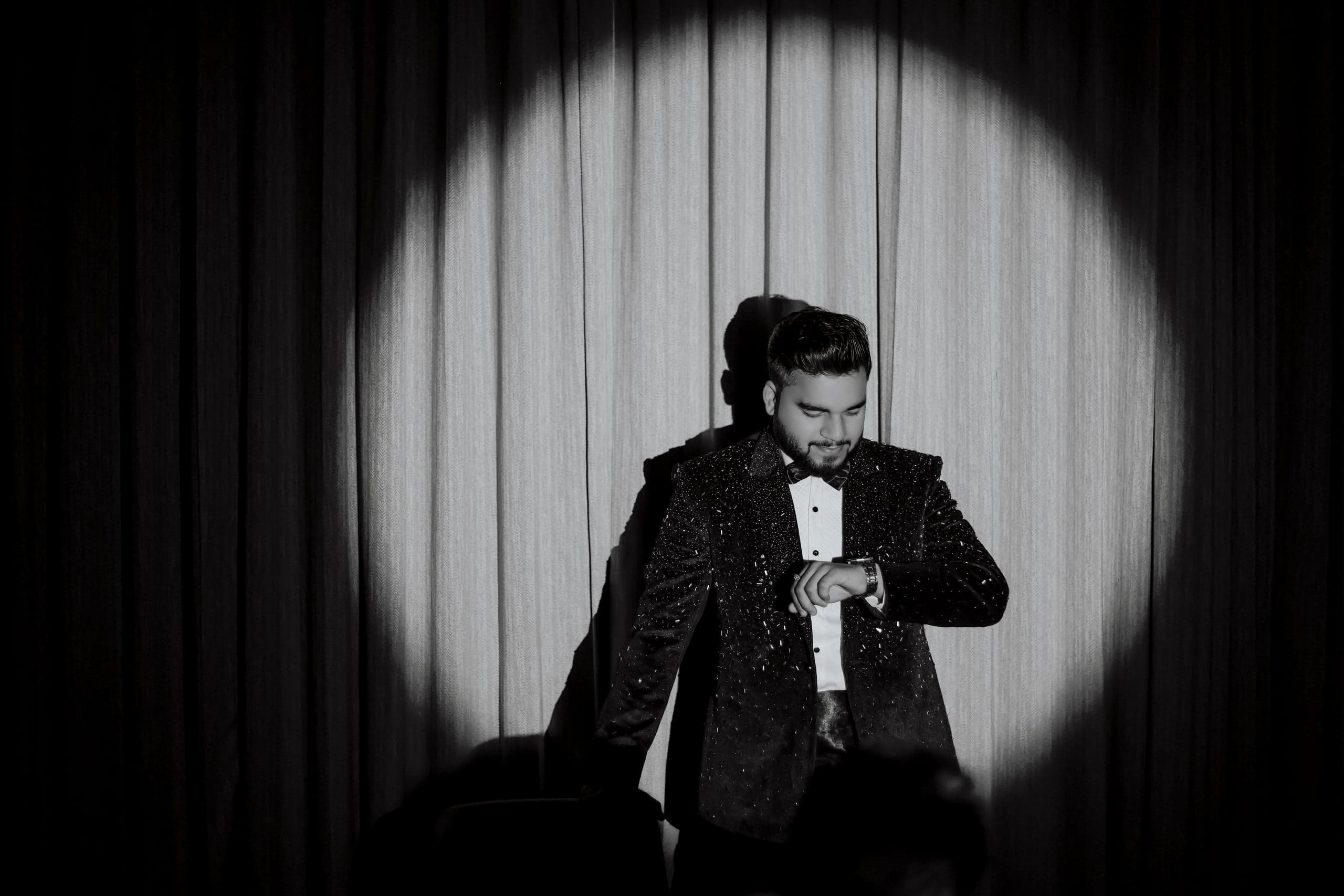
For low-light ceremonies and receptions, we bring Godox studio lighting rigs rather than relying on venue lighting, which is rarely built with photography in mind.
And for couples who want family watching from abroad included in the moment, our live-stream multi-cam setup lets us broadcast the ceremony in real time without pulling a single shooter off primary coverage.
The kit matters less than the people carrying it — read more about our studio.